Assembly Insights: Making Time Count
Assembly Extract from Mrs Julia Whitbread, Director of Music
Presented on Monday 20 April 2026
When as a child I slept and wept, time crept
When as a youth I laughed and talked, time walked
Then when the years saw me a man, time ran
But as I older grew, time flew
Soon, as I journey on, I’ll find time gone.
I have a bit of a thing about time: how I use it, how I sometimes waste it, how often I worry about not having enough of it, and how I make plans to use it more wisely. Sometimes those plans work; sometimes they don’t, and I find myself sidetracked or distracted.
The one thing that is true for every single person in this room is that time is passing at exactly the same rate for all of us — every day, every week, every year.
The poem I began with, by Henry Twells, was once read in an assembly by my headteacher, Mrs Smith, and its message stayed with me. That was a very long time ago, and yet I still remember it vividly. I can picture myself sitting in the school hall, just as you are now, listening as she recited it. As the years have passed, its meaning has spoken to me in ever deeper ways.
That leads me to a question: what is your earliest memory? How far back can you really remember?
One of my earliest memories is of being in my pushchair. I was probably three or four years old, kneeling and facing backwards for some reason. That is all I remember — where I was, who was pushing me, and why I was facing backwards have completely faded away.
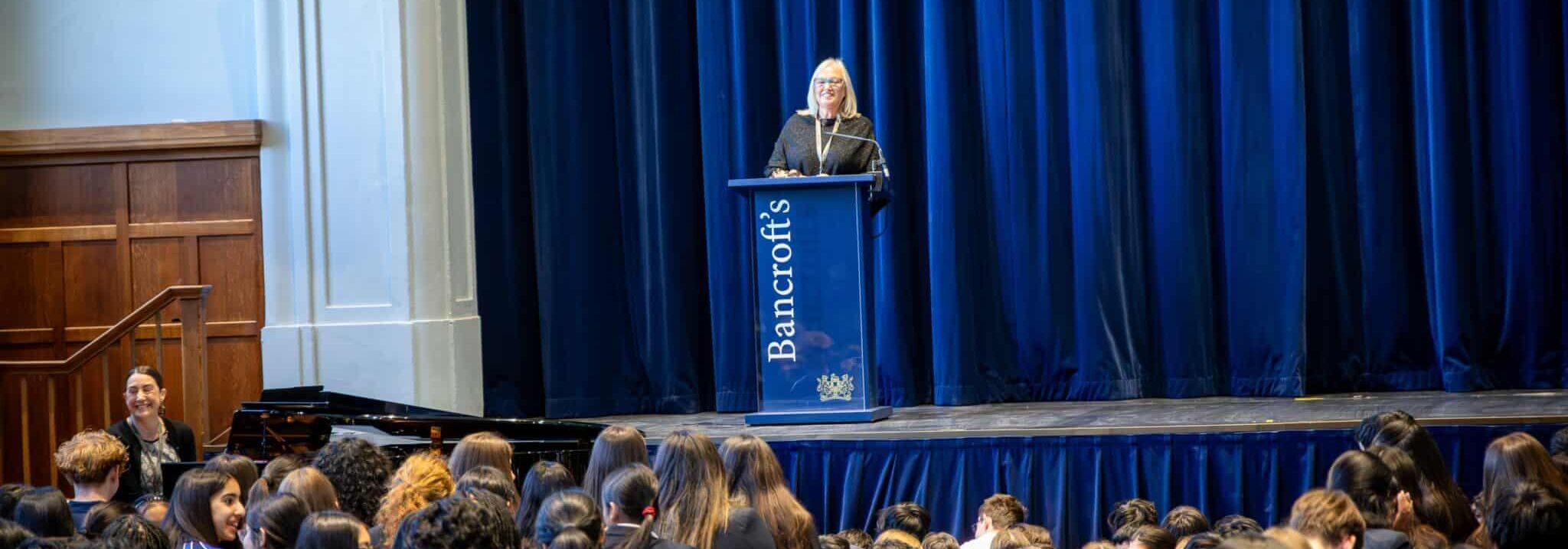
From the word compassion comes the word passion, and I want you to think carefully about what you are passionate about in your own lives. Do you think passion comes from the head, from the heart, or from a mixture of both?
I suspect it is a combination of the two — though the scientists and psychologists among us might tell me I am wrong! It seems to me that the way we think, the way we feel, and the way we experience life can lead us to discovering something we care deeply about — something that helps us use our time more wisely.
If we imagine a lifetime of around 85 years, that equates to approximately:
· 31,046 days
· 2.68 billion seconds
If you sleep for around eight hours a night, that is roughly 28.4 years asleep, or 10,349 days. But sleep is not wasted time. It is central to how our memories are formed, organised, and preserved. Sleep allows the brain to curate memories — deciding what stays, what fades, and how memories connect with one another.
This is especially poignant when thinking about memory loss. Conditions such as Alzheimer’s disease are closely linked to disruptions in sleep, and poor sleep can both reflect and accelerate memory problems. Many of you know that I am supporting the this year, as Mr Whitbread’s mum has been diagnosed and is living with this devastating disease.

I hope this also makes you think about how you use your time — what you choose to do in the here and now — because none of us knows how much time we have, or what the future will hold. What we can do, however, is shape our futures by finding something we are passionate about.
That passion may lead to a career, or towards sport, the arts, academic study, reading — or something else entirely. To be truly passionate about something can enrich our lives, give us meaning, and, over time, bring a deep sense of fulfilment and contentment.
When I am away, alongside reading novels, I also read quite a few magazines. One column I particularly enjoy is written by Baroness Karren Brady. I find her inspirational, because although she is hugely successful, the ideas she writes about often apply just as much to ordinary people living ordinary lives.
Karren Brady is a sporting executive, politician, television personality, columnist, author and novelist. She was the former managing director of Birmingham City FC and is now vice-chair of West Ham United FC. She appears on The Apprentice as an aide to Lord Sugar and sits in the House of Lords. She has written several books and is often referred to as “the First Lady of Football”.
A recent article she wrote made me think again about time and how quickly it passes.
She asked what would the reader put on their list of passions, would it be: Money, possessions, health, happiness, success? These are not bad things to want or to aspire to. Karren Brady found things she was passionate about — but the more important question is: what will you find to be passionate about? How will you put your time to the best possible use?
Being passionate about something often leads us to give something of ourselves to others and to the world around us. Some of you may already know what that is; others may still be searching. When you find it, it may lead to big, visible achievements, or to small, quiet acts that seem insignificant to others — but that does not matter. What matters is that you do it with commitment and heart. Doing these things will take some of your time, but it will be time well spent.
If you remember only one thing from this assembly — just as I remembered that poem — let it be this: live each day fully, take the opportunities that come your way, and rest well too. Treasure values that help you live a good life and use the time you have with richness and intention, but without needing to show off.
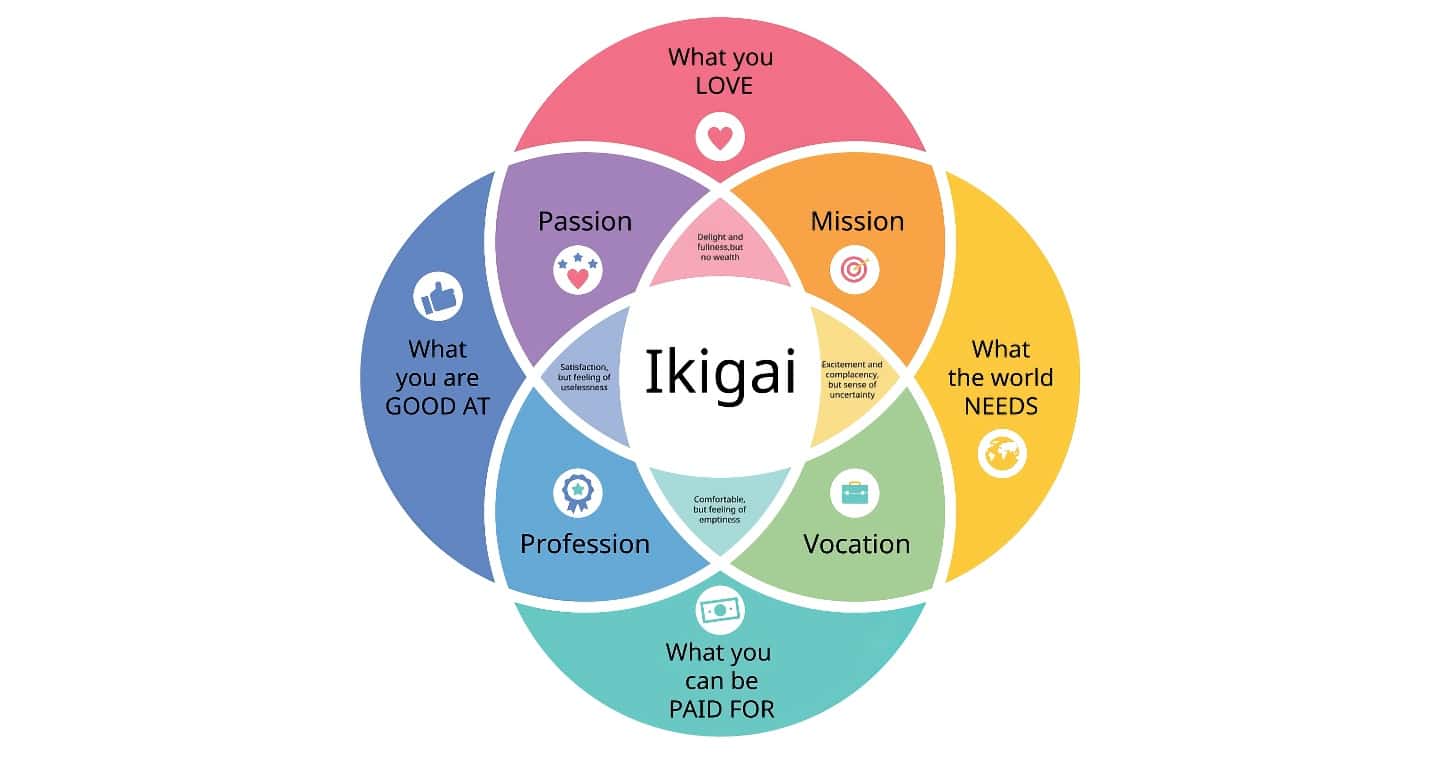
The Japanese idea of ikigai captures this beautifully. Ikigai roughly translates as “a reason for being” — the quiet, sustaining joy that gives your days meaning. It does not have to be grand or public. It might be:
· a craft you practise for its own sake
· caring for family or community
· a daily ritual — making tea, walking the same route each morning
· continuing to grow, even in later life (something I fully intend to do from September onwards!)
At its heart, ikigai is about purpose without pressure, process over outcome, lifelong growth, and connection — to people, place, memory, and tradition.
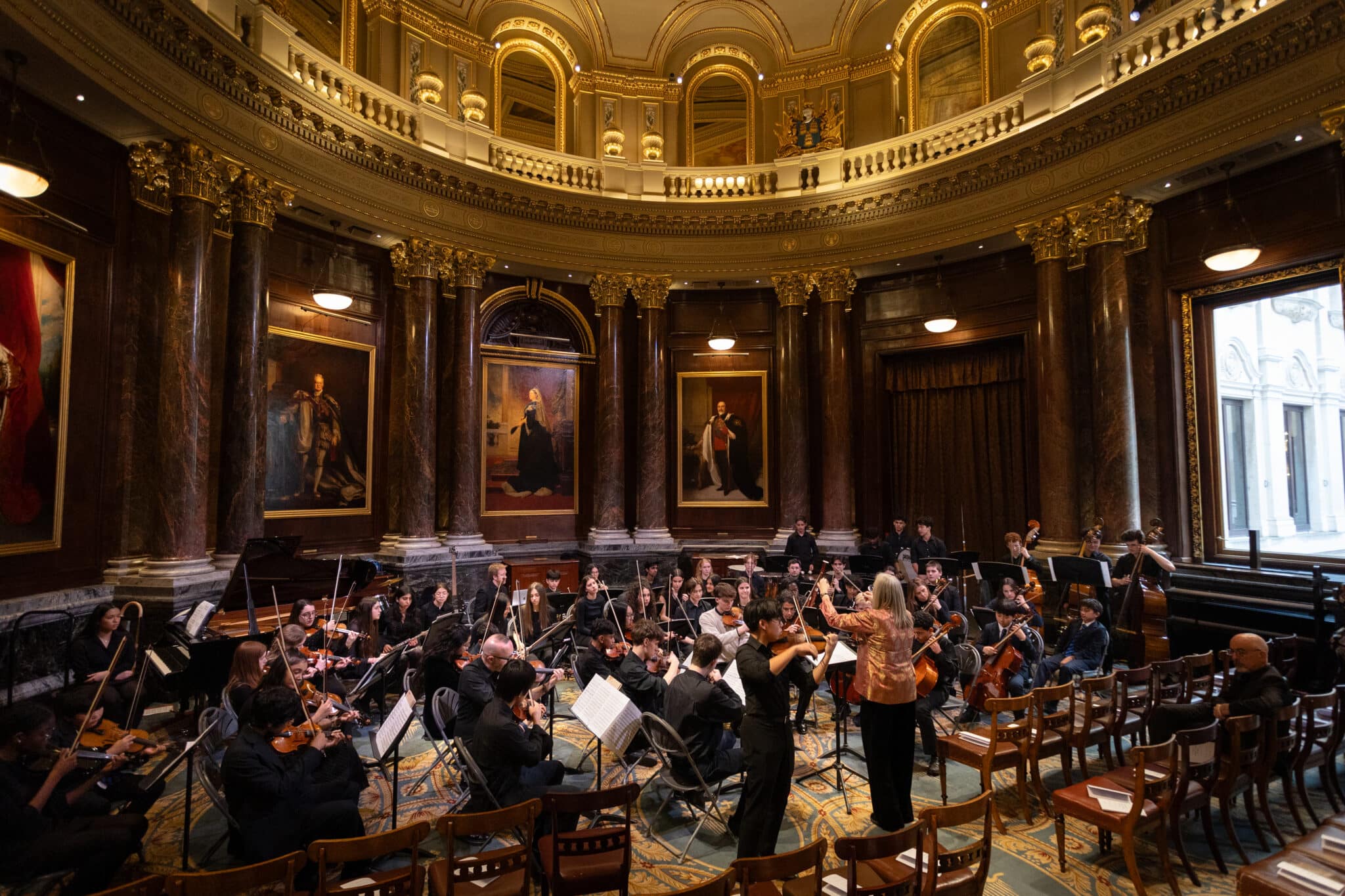
And so, my time at Bancroft’s is nearly done. It has been an honour and a privilege to work with the musicians here over the past eight years and two terms and with my departmental colleagues. Since deciding to retire, I have spent time reflecting on so many wonderful memories and opportunities — and on the many ways I have been able to share what I am passionate about.
Don’t worry, I won’t bore you with my life story today — I’m saving that for my colleagues at the end of term — but I hope I have shown my passion for music, for singing, for performance and for teaching. Please use your time wisely, embrace what you care about, and seize opportunities when they come, because I promise you: the older you get, the faster time seems to move.
Finally, I wish you all long, happy, healthy, successful — and above all — passionate lives.